




Travelling across different regions exposes the body to new environments, and sometimes these changes can have surprising effects. One of the most overlooked issues is how humidity affects hand comfort. Many travellers notice their hands becoming sweaty, tight, dry, or irritated during trips, but they rarely connect these changes to weather shifts. If you are planning a journey to a coastal destination such as Malindi or Watamu, it helps to understand how humidity and temperature changes can affect your skin, especially your hands, which are constantly exposed.
Why Humidity Matters for Travellers
Humidity refers to the amount of water vapour in the air. It plays a major role in regulating how comfortable your skin feels. In humid environments, sweat struggles to evaporate, which leaves your hands feeling sticky and damp. In dry climates, moisture evaporates too quickly from the skin, leading to dryness and tightness.
If you are flying from a cold, dry city like Nairobi in August to a tropical climate along the Kenyan Coast, your skin will need time to adjust. Hands are particularly sensitive to environmental shifts because they have a thinner skin barrier and are frequently washed, exposed, and used.
How Sweat Glands Contribute to Hand Discomfort
The palms contain thousands of sweat glands. These glands respond not only to temperature changes but also to emotional triggers like excitement and stress. That is why travelling often brings mixed moisture reactions in the hands.
- In humid regions, sweat lingers and causes a damp or clammy feeling.
- In dry climates, moisture escapes too quickly and causes cracked or flaky skin.
- When travelling between climate zones, hand discomfort may alternate between dryness and sweatiness in a short span of time.
These effects can be more intense if you have hyperhidrosis, a condition that causes excessive sweating even in cool conditions. For travellers who plan outdoor experiences such as kitesurfing at Che Shale Beach or a boat excursion at Malindi Marine National Park, sweaty palms can affect grip and comfort. Holding a phone, using a touchscreen, or shaking hands can become unexpectedly difficult. If this sounds familiar, you may want to explore clinics like The Center for Hyperhidrosis . They offer in-depth information and treatment options for managing excessive sweating. Addressing the root cause can significantly improve travel comfort and confidence.
The Cabin Effect: Why Air Travel Dries Out Your Skin
Most aeroplanes maintain cabin humidity of less than 20%, which is significantly lower than normal levels. This dry recycled air pulls moisture from your skin and can trigger inflammation or tightness in your hands during long flights. Reduced circulation when sitting for long periods also contributes to swelling or tingling.
Once you land at a warm coastal airport such as Malindi Airport, the sudden shift to humid air can shock your skin. Rapid rehydration can lead to puffiness or mild irritation. Applying a light, quick-absorbing moisturiser before boarding and reapplying mid-flight can make a noticeable difference.
Temperature Shifts and Blood Circulation
Most travellers pay little attention to circulation until discomfort sets in. Temperature not only changes how your skin feels but also affects how blood moves through your hands.
- Cold temperatures cause blood vessels to tighten, which leads to numbness and stiffness.
- Warm climates cause vessels to expand, sometimes creating mild swelling.
If your journey includes air-conditioned hotels, safaris inland, and then a return to the beaches of Malindi, frequent temperature changes can aggravate circulation discomfort. Travellers with arthritis, carpal tunnel syndrome, or existing circulation issues tend to feel these effects more strongly.
Travel Stress and Its Effect on Hands
Travel may be enjoyable, but it can also be stressful. Airport queues, delays, luggage concerns, and unfamiliar environments trigger the release of adrenaline, which activates sweat glands in the hands. Even after arriving at your destination, excitement and heat can keep sweat levels high.
This explains why some people still experience clammy palms after settling into a beachfront hotel near Silversands Beach. Deep breathing exercises, slow hydration, and taking short breaks can help the body stabilise.
How to Keep Your Hands Comfortable While Travelling
You can manage hand discomfort caused by climate and humidity by planning. These practical tips are easy to follow during any journey.
Moisturise effectively
Use a lightweight, fast-absorbing moisturiser before your flight. Switch to a richer cream once you land in dry regions. In tropical climates, stick to water-based gels to avoid a greasy feel.
Control moisture naturally
Carry absorbent hand wipes or mattifying talc to deal with sweaty palms discreetly. For frequent sweating, ask a dermatologist about prescription-strength antiperspirants.
Stay hydrated
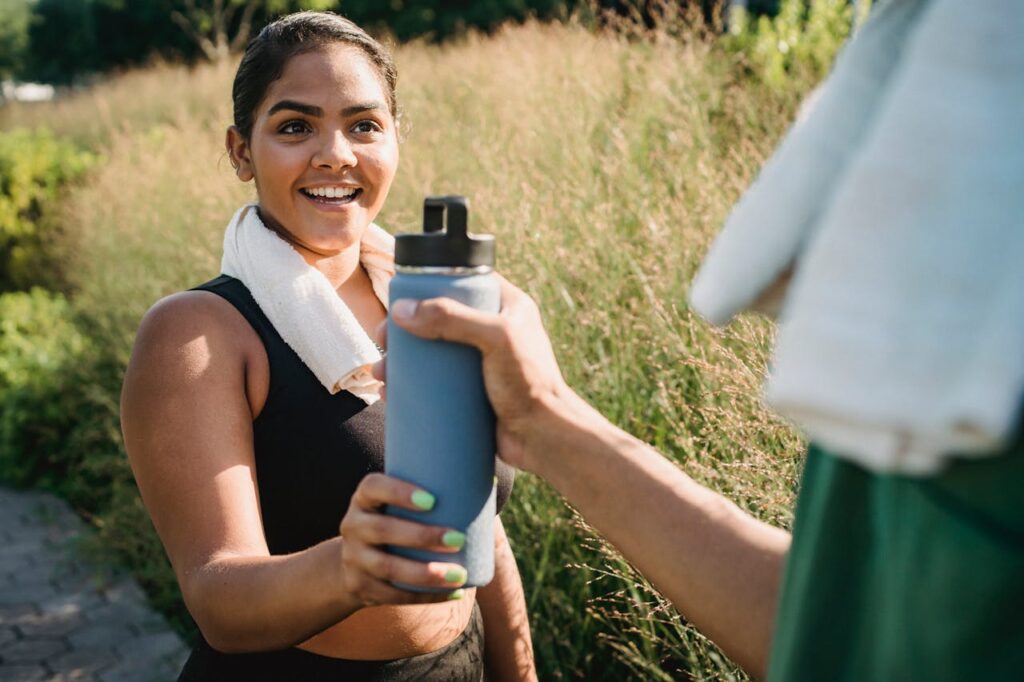
Drink water consistently instead of in large amounts at once. Keep a refillable bottle and consume fluids gradually throughout your journey.
Give your skin time to adjust
When moving through different humidity zones, avoid sudden exposure. Let your body adapt slowly by making short transitions from indoors to outdoors.
Dress comfortably
Wear breathable fabrics such as cotton or linen instead of synthetic materials that trap heat. Pack a small towel for sweaty hands during outdoor activities around Vasco da Gama Pillar or ferry rides to Watamu.
Recommended Travel Essentials for Hand Care
These products are widely recommended for travel:
- Neutrogena Hydro Boost Hand Gel Cream
- Gold Bond Healing Hand Cream
- SweatBlock Antiperspirant Lotion
- Nivea Express Hydration Hand Cream
Choose travel-size versions to stay compliant with airport liquid rules.
Managing Excessive Sweating While Travelling
If you struggle with hyperhidrosis, subtle preparation can boost comfort and confidence during your journey.
Plan treatment in advance
Talk to a dermatologist before travelling. Options include:
- Topical antiperspirants
- Iontophoresis therapy
- Botox injections for prolonged dryness
- Carry smart accessories
Natural fibres such as bamboo keep the skin cool. Moisture-wicking travel gloves can be useful when handling luggage in humid destinations. Keep a clean handkerchief or compact towel close by.
Use portable products
- Carpe Hand Antiperspirant Lotion
- Duradry 3-Step System
- Body Glide Hand Balm
These products are suitable for active travellers exploring attractions like Gede Ruins or Arabuko Sokoke Forest.
When to See a Specialist
If you experience persistent cracking, redness, pain, or excessive sweating, it may be time to speak to a skin specialist. Conditions like dermatitis, eczema or hyperhidrosis can worsen during travel. It is better to understand how to manage your symptoms early, especially if you plan extended trips to remote coastal destinations where medical access is limited.
Frequently Asked Questions
Why do my hands sweat more when I travel?
Because travel combines stress, climate shifts, and physical activity, all of which activate sweat glands.
Should I use hand sanitiser if my hands are dry?
Use alcohol-free options where possible and always apply moisturiser afterwards.
Can air conditioning make my hands drier?
Yes. Air-conditioned rooms remove moisture from the air and dehydrate the skin over time.
How long does it take to adjust to new humidity levels?
Most people adjust within 10 to 14 days, especially in consistent tropical climates along the Kenya coast.
Final Thoughts
Climate change during travel affects more than just your comfort level. Humidity, temperature shifts and stress influence how your hands feel and perform during daily activities. Understanding how your body reacts allows you to travel smarter and stay comfortable, whether you are heading to the white sandy beaches of Malindi or touring hidden coastal jewels nearby. With good preparation and the right travel essentials, you can enjoy your journey without worrying about hand discomfort.


